The Two Faces of Hvar: Can "Ethno-Eco" Tourism Save Croatia’s Fading Villages?
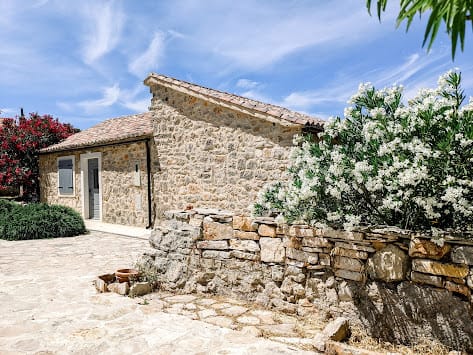
RUDINA, Croatia — For two consecutive years, Condé Nast Traveler readers voted Hvar the best island in Europe. To the world, Hvar Town is a sun-drenched “party central” where celebrities anchor superyachts and award-winning restaurants line the bustling waterfront.
But less than 10 miles away on the Kabal Peninsula, a different reality is unfolding. In the island’s quiet interior, lush green hills and sleepy streets mask a creeping crisis: a declining population and a growing number of abandoned stone houses. For years, the prevailing sentiment among the remaining youth has been a desire to leave the island and never look back.
Now, a grassroots movement is fighting to reverse that exodus by leaning into the island’s heritage rather than its nightlife.
A New Model for Survival
Determined to keep their communities alive, residents of three villages on the peninsula applied for funding through European Union Regional Development Initiatives. Their goal was to transform the area into a protected “ethno-eco village,” a designation designed to preserve traditional architecture while fostering sustainable tourism.
The initiative recently hit a major milestone as the village of Rudina welcomed its first guests under the new program.
Modern Luxury, Ancestral Roots
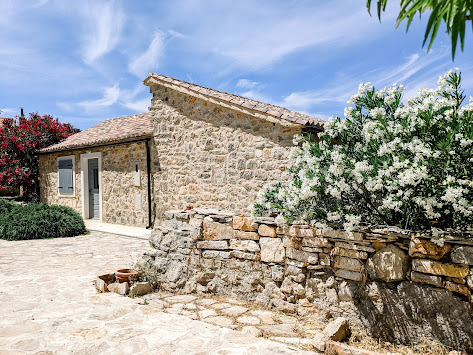
The transformation of Rudina offers a stark, peaceful contrast to the high-energy clubs of Hvar Town. The village is dotted with beautifully renovated historic stone houses with cobblestone streets so narrow that they remain blissfully free of vehicle traffic. The area offers the luxury of “slow life,” where the scent of wild lavender and the aroma of freshly baked bread define the morning routine.
By pivoting to eco-tourism, these villages are betting that the very “sleepiness” that once drove young people away will be the magnet that draws the world back in—providing a sustainable economic future that honors the island’s past.




Member discussion